Events – 20 May 2022
The State Budget is the single most important instrument for the government of the day to direct the efforts of the public service. For both the private and the public service, it clearly indicates areas of service priority.
Annual expenditure of around $30 billion dollars must be carefully directed in order to meet the needs of the people, lands and the flora and fauna of Australia’s largest jurisdiction.
As Western Australia and nations around the world continue to battle the COVID-19 pandemic, the government has faced its second year of highly unpredictable times in drafting its 2022-23 state budget.
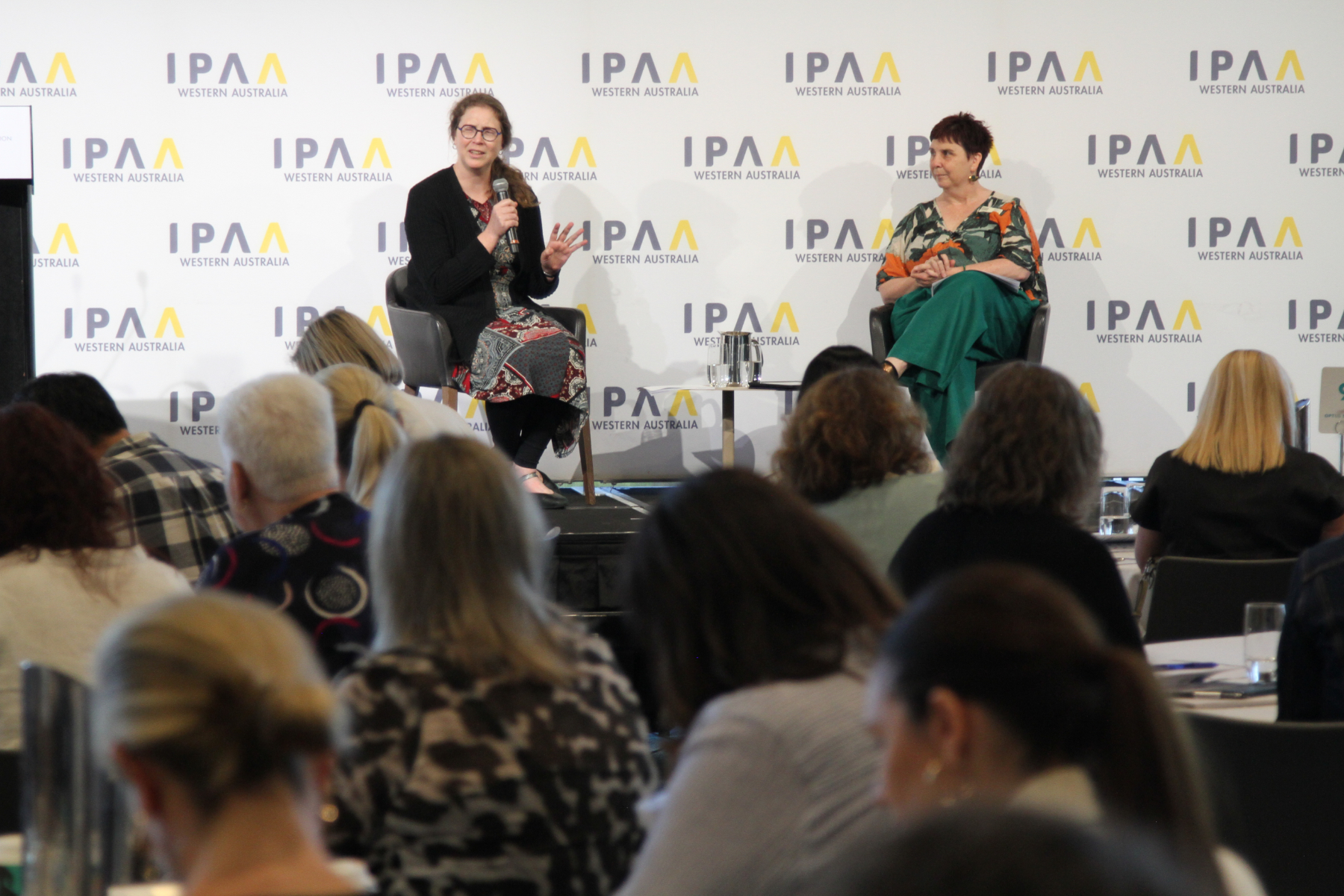
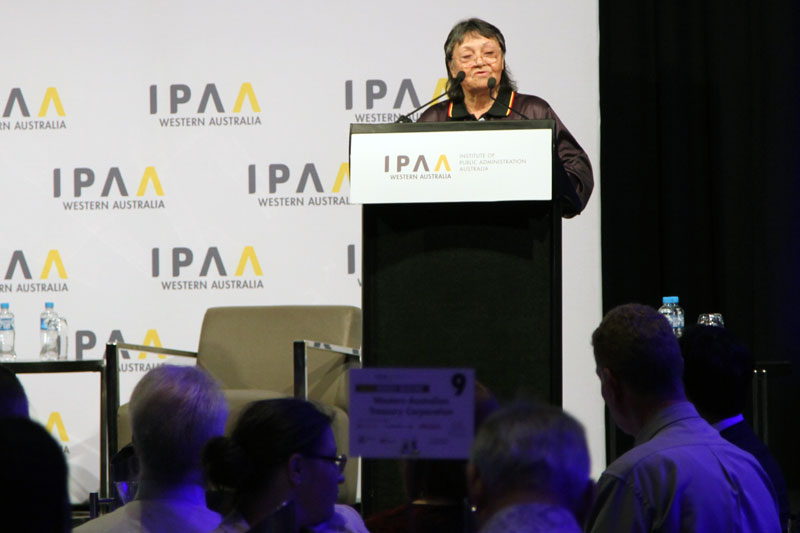
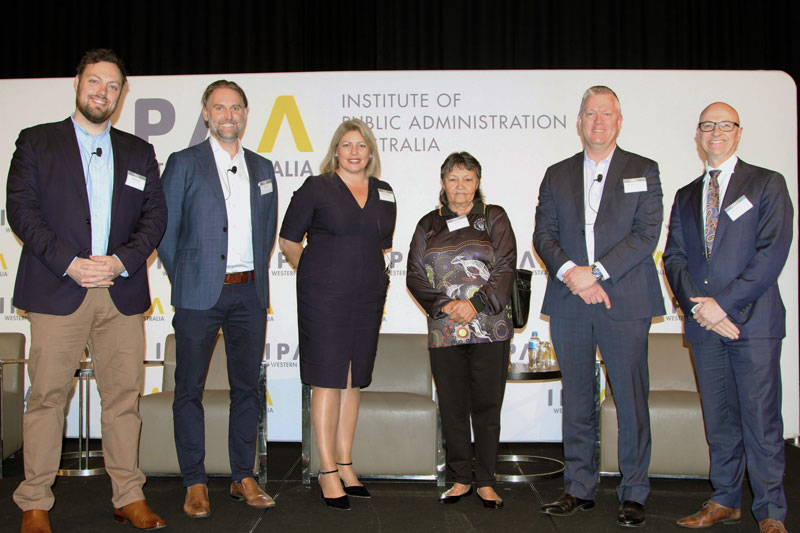
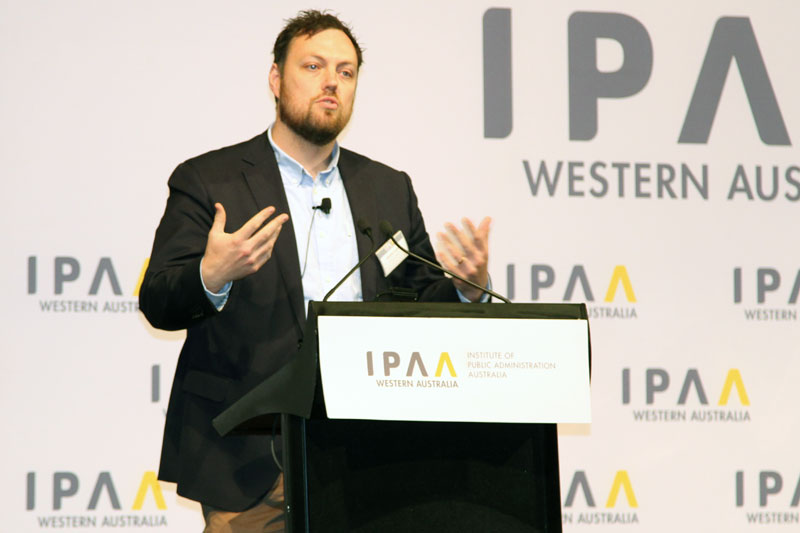
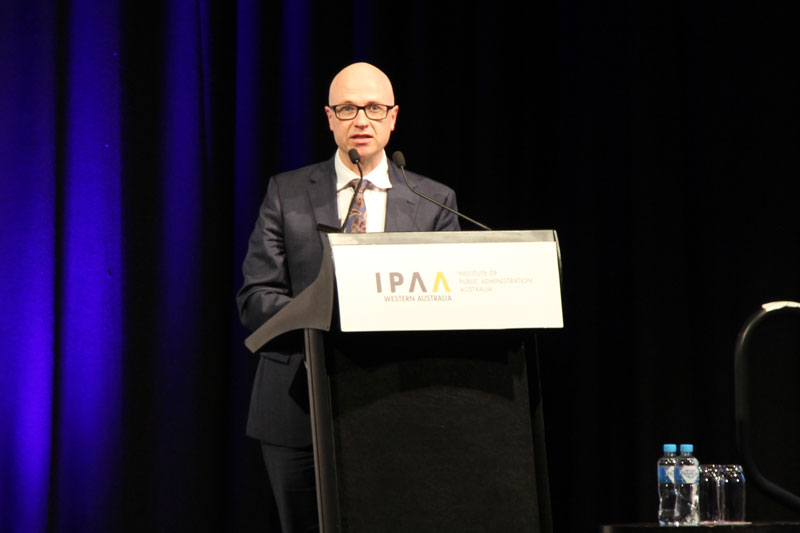
We were pleased to welcome Mr Michael Barnes, Under-Treasurer of Western Australia to provide the keynote address at the 2022 IPAA WA Budget Briefing. Expert analysis was provided by an esteemed panel featuring Ms Cherelle Murphy, Chief Economist Oceania at EY and Mr Brendan Coates, Program Director at the Grattan Institute.
The Under-Treasurer went beyond individual agency funding allocations to provide the all-important contextual information. Delegates heard an assessment of the current state of public finances, the most important factors in the today’s economic environment shaping the future, and importantly the underlying assumptions behind this year’s budget.
Topics Included
- Analysis of the State Budget.
- Impacts of unpredictable state revenue upon public service delivery.
- Commentary on the current and predicted economic conditions around the world that will impact Western Australia.
Continuing its long standing support of IPAA WA, EY was proud to be the major sponsor of this session.



Presentations:
- Brendan Coates – WA Budget: the lucky state in the lucky country
Related Reports
Given the importance of migration to the WA economy, The Grattan Institute have released the below three reports on migration policy:
- Rethinking permanent skilled migration (May 2021)
This report explores how to improve the composition of Australia’s permanent skilled migrant intake. In particular, Australia should shift away from targeting permanent skilled visas as short-term skills shortages to instead prioritise younger, higher-skilled migrants who are best placed to benefit the Australian community in the long term - Fixing temporary skilled migration (March 2022)
This report focuses on how to improve Australia’s temporary skilled visa. Employers can sponsor fewer high-wage migrants than they could in the past, and sponsorship is now both more costly and less certain. A new ‘Temporary Skilled Worker’ visa should replace the existing Temporary Skill Shortage visa. - Migrants in the Australian workforce (May 2022)
This report maps what visas migrants hold, what skills they have, where they work, and what they earn. It includes detailed breakdowns of migrants in the workforce across Australian regions (by SA4) and by industry.
Photos







Related Resources